Category Archives: blog

Phlebotomy blog on things you knew, did not know and want to know!

Common Phlebotomy Career Questions: Career Changers, Career Advancement, and Getting Started

Common Phlebotomy Career Questions: Career Changers, Career Advancement, and Getting Started

Last Updated: June 2026

People considering phlebotomy come from all walks of life. Medical assistants who want to add skills. Nurses looking for a change. CNAs trying to advance. People with healthcare experience in other countries. Workers in completely different fields who want a healthcare career without years of school. Over the years, the most common questions we get from visitors fall into a few categories, and we’ve collected them here along with straight answers.

If you’re trying to figure out whether phlebotomy makes sense for your situation, this guide covers the most common situations and concerns.

If I Already Went Through Medical Assistant School, Do I Still Need Phlebotomy Training?

This is one of the most common questions we get. The short answer is: it depends on your state and your training program.

Most medical assistant (MA) programs include some phlebotomy training as part of the curriculum. Whether that’s enough to work as a phlebotomist legally depends on three things:

1. What your MA program included. Some MA programs include extensive phlebotomy training with required venipunctures and capillary punctures. Others include only basic instruction. Check your program transcript to see how many clinical hours you completed and whether you met the requirements for phlebotomy certification eligibility.

2. What state you work in. California, Nevada, Louisiana, and Washington require state phlebotomy licensing. In these states, you typically need a separate phlebotomy training program in addition to your MA training. Other states don’t require licensing, but employers usually expect national certification.

3. Whether you can sit for a certification exam. Even if your MA training included phlebotomy, you’ll likely need to pass a national certification exam (ASCP, NHA, AMT, or NCCT) to be competitive for phlebotomy jobs. Each certifying agency has specific requirements about training and clinical experience.

What to do next: Contact the certification agencies directly (ASCP, NHA, AMT, NCCT) and ask whether your MA training qualifies you to sit for their phlebotomy exam. Some accept MA programs that include sufficient phlebotomy hours. Others require completion of a dedicated phlebotomy program.

If you find your MA training isn’t enough, you can usually complete a short phlebotomy bridge program in a few weeks to a few months.

I’m Already a Certified Phlebotomist with Years of Experience. How Do I Get Level II Certification?

Level II phlebotomy certification (often called CPT II) means you can perform arterial blood draws and skin punctures, not just venipuncture. This is mainly a thing in California where the state has three certification levels:

  • Limited Phlebotomy Technician: Skin puncture only
  • Certified Phlebotomy Technician I (CPT I): Skin puncture and venipuncture
  • Certified Phlebotomy Technician II (CPT II): Skin puncture, venipuncture, and arterial puncture

To get CPT II certification in California, you need:

  • Current CPT I certification with at least 1,040 hours of work experience
  • Additional training in arterial puncture (20 hours of instruction)
  • 20 successful arterial punctures under supervision
  • Pass a state-recognized exam covering arterial puncture

Most California community colleges and phlebotomy training programs offer the additional arterial puncture training as a continuing education course. You complete the training, get your supervised punctures done, pass the exam, and apply for CPT II through the California Department of Public Health.

Outside California, the “Level II” terminology isn’t standardized. Some states and employers use it informally to refer to experienced phlebotomists or those with additional skills. If you’re outside California and looking to advance, talk to your employer about training opportunities or look into specialized certifications like donor phlebotomy or pediatric phlebotomy.

How Do I Get to the Highest Level of Phlebotomy Certification?

There’s no single “highest level” phlebotomy certification because the field doesn’t have a unified hierarchy. But if you want to advance as far as possible in phlebotomy, here are your options:

1. California CPT II Certification

If you live in California, getting CPT II is the highest formal phlebotomy credential in the state. Outside California, this credential isn’t required but adds skills like arterial blood draws.

2. Specialty Certifications

Some certifying agencies offer specialty credentials:

  • Pediatric phlebotomy certification
  • Donor phlebotomy specialist
  • Mobile phlebotomy certification

These show employers you have skills beyond basic venipuncture.

3. Phlebotomy Instructor Certification

This is what most experienced phlebotomists aim for after many years in the field. Becoming a phlebotomy instructor allows you to teach in community colleges, technical schools, and hospital-based programs.

Requirements vary by employer and program, but typically include:

  • Current phlebotomy certification (ASCP, NHA, AMT, or NCCT)
  • Several years of clinical experience (typically 3-5 years minimum)
  • Educational background (often requires an associate or bachelor’s degree)
  • Teaching experience or teaching certification
  • Background check and credentialing through your state’s department of education

4. Move into Laboratory Roles

Many experienced phlebotomists transition into Medical Laboratory Technician (MLT) or Medical Laboratory Scientist (MLS) roles by going back to school for an associate or bachelor’s degree. These positions pay significantly more and involve more complex work.

5. Phlebotomy Supervisor or Manager

Hospitals and large lab systems have supervisor and manager positions overseeing phlebotomy teams. These usually require several years of experience plus demonstrated leadership ability.

If you’ve been working as a phlebotomist for 15+ years and want to keep growing, becoming an instructor or transitioning into MLT work are usually the two best paths. Both increase your income and expand what you can do in healthcare.

How Do I Become a Phlebotomy Instructor?

Becoming a phlebotomy instructor is a natural next step for experienced phlebotomists who enjoy teaching. The path varies by program but generally includes:

Educational Requirements

Most programs prefer instructors with at least an associate degree. Some require a bachelor’s degree. The degree doesn’t have to be in healthcare, but related fields (medical laboratory science, nursing, healthcare administration) are preferred.

Experience Requirements

Most schools want instructors with 3-5 years of clinical phlebotomy experience minimum. Some require 5-10 years. Real-world experience matters because you need to teach students what they’ll actually encounter on the job.

Certifications

You need current phlebotomy certification from a recognized agency (ASCP, NHA, AMT, or NCCT). Some schools also require additional credentials like CPR/BLS instructor certification.

Teaching Credentials

Some states require teaching credentials for community college instructors. Others don’t. Check with the schools in your area.

How to Get Started

The easiest path is usually:

  1. Contact phlebotomy programs at community colleges, technical schools, and hospital-based programs in your area
  2. Ask about adjunct (part-time) instructor positions
  3. Express interest in being a clinical preceptor (supervising students during their clinical training)
  4. Volunteer to give guest lectures or workshops
  5. Get experience teaching while still working clinically
  6. Move into full-time instructor roles when they open up

Many phlebotomy instructors continue to work clinically part-time while teaching. The combination keeps your skills sharp and provides income stability while building teaching experience.

Is There Advanced Training for Experienced Phlebotomists?

Yes, but the advanced training landscape isn’t as structured as it is for nurses or other clinical professions. Here are your options for continued education and skill development:

Hospital-Based Advanced Training

Major hospitals often offer training in:

  • Arterial blood draws
  • Pediatric blood collection
  • Geriatric phlebotomy
  • Difficult draws (oncology patients, dialysis patients, patients with fragile veins)
  • IV starts and PICC line draws (limited scope)
  • Blood culture collection
  • Specialized specimen handling for research

Talk to your supervisor about training opportunities at your facility. Larger hospitals usually have more options.

Specialty Certifications

Some certifying agencies offer specialty credentials:

  • Donor Phlebotomy Specialist (for blood bank work)
  • Mobile Phlebotomy Certification
  • Pediatric Phlebotomy

These add to your skills and resume.

Cross-Training into Related Fields

Many experienced phlebotomists cross-train into:

  • Medical laboratory technician work
  • IV therapy
  • Specimen processing
  • Electrocardiogram (EKG) technology
  • Patient care technician roles

These expand your scope and increase your value to employers.

Going Back to School

The clearest path to significantly higher pay and more complex work is going back to school for a Medical Laboratory Technician (MLT) associate degree or Medical Laboratory Scientist (MLS) bachelor’s degree. Many phlebotomists do this while continuing to work, and many hospitals offer tuition reimbursement.

If you’ve been a phlebotomist for 20+ years and want a new challenge, consider whether one of these advancement paths fits your goals.

I’m a Veinipuncture Tech Who Wants More Advanced Skills. What Are My Options?

Hospital phlebotomy can become repetitive after many years. Here are ways experienced venipuncture techs expand their skills:

1. Cross-train within your hospital. Ask about training in EKG, specimen processing, or laboratory assistant work.

2. Move into specialty units. Pediatric phlebotomy, oncology, dialysis, and emergency department work all involve more challenging draws and different skill sets.

3. Learn IV starts. Some hospitals will train phlebotomists to start IVs, which expands your value significantly.

4. Become a phlebotomy team leader. Lead phlebotomy teams during shifts, train new hires, manage schedules.

5. Move into laboratory assistant work. Many hospitals have positions for lab assistants who process specimens, run basic tests, and support the lab team.

6. Consider going back to school for MLT. A two-year associate degree in Medical Laboratory Technology opens up much higher-paying positions running actual lab tests.

7. Try mobile phlebotomy. Mobile phlebotomy services (going to patients’ homes, workplaces, or nursing facilities) often pay more and offer variety.

8. Look into research phlebotomy. Research hospitals and pharmaceutical companies hire phlebotomists for clinical trials, which involves specialized specimen collection.

The key is talking to your supervisor about your interests and asking what advancement paths exist. Many hospitals invest in training their experienced staff because they’re cheaper to develop than hiring outside experts.

I Already Have a Phlebotomy Certificate from Another Country. Can I Use It in the US?

Generally, no. US employers and certifying agencies don’t typically accept foreign phlebotomy credentials. Here’s what you need to know:

Most US employers require national US certification. Even if you have years of phlebotomy experience from another country, you’ll likely need to:

  • Complete a US-based phlebotomy training program (or document that your foreign training meets US standards, which is rare)
  • Pass a US national certification exam (ASCP, NHA, AMT, or NCCT)
  • In licensing states (CA, NV, LA, WA), obtain state licensing

Why the requirements? Healthcare regulations, safety standards, and protocols vary by country. US employers want assurance that you know US protocols, OSHA standards, HIPAA requirements, and current best practices.

The good news: If you already have phlebotomy experience and knowledge, you’ll likely fly through US training. Some programs offer accelerated tracks for people with prior experience. You’ll learn US-specific protocols and then take the certification exam.

What to do:

  1. Document your foreign training, certifications, and work experience
  2. Contact the US certifying agencies (ASCP is most relevant, contact them at ascp.org) and ask if your foreign credentials qualify you to sit for their exam
  3. If not, enroll in a US phlebotomy program that fits your situation (full programs run 4-8 months, but some offer accelerated tracks for experienced candidates)
  4. Pass the certification exam
  5. Apply for state licensing if required in your state

The whole process usually takes 6-12 months from start to finding work in the US.

I’m Working at a Hospital, Have Years of Experience. Is There Training Beyond Basic Phlebotomy?

Yes. Experienced hospital phlebotomists have several paths for additional training:

Within Your Current Hospital

Talk to your supervisor about:

  • Pediatric phlebotomy training (working with infants and children requires additional skills)
  • Geriatric phlebotomy (older patients have more fragile veins)
  • Oncology phlebotomy (cancer patients often have difficult draws due to chemotherapy effects)
  • Dialysis patient phlebotomy
  • NICU phlebotomy (newborns require specialized techniques)
  • Blood culture collection (requires specific protocols)
  • Specialty specimen handling (research specimens, microbiology, etc.)
  • IV starts (some hospitals train phlebotomists for this)
  • PICC line draws (limited scope but increases your value)

Continuing Education Requirements

Most certifying agencies require continuing education to maintain certification:

  • ASCP: continuing education credits required
  • NHA: 10 continuing education credits per 2-year renewal
  • AMT: continuing education and annual fees
  • NCCT: 14 continuing education hours per year

Free and low-cost continuing education is available through:

  • Your hospital’s education department
  • Online platforms (Medscape, LabCE, Continued.com)
  • Certification agency websites
  • State and local healthcare organizations

External Training and Workshops

The American Society for Clinical Pathology, professional associations, and other organizations offer workshops and conferences for experienced phlebotomists. These cover topics like:

  • New techniques and equipment
  • Patient safety updates
  • Specialty collection methods
  • Leadership and management for phlebotomy supervisors

Certifications to Add

Consider additional certifications that complement phlebotomy:

  • Certified Medical Assistant (CMA)
  • Patient Care Technician (PCT)
  • Medical Laboratory Assistant (MLA)
  • EKG Technician
  • IV Therapy Certification

These add skills and increase your value to current and future employers.

What Are the Different Levels of Phlebotomy?

Phlebotomy doesn’t have a universal hierarchy, but here are the common ways the field is organized:

By Certification Level (California-specific):

  • Limited Phlebotomy Technician
  • Certified Phlebotomy Technician I (CPT I)
  • Certified Phlebotomy Technician II (CPT II)

By Experience and Role:

  • Entry-level phlebotomist (just out of training)
  • Phlebotomist (1-3 years experience)
  • Senior phlebotomist (3-5+ years experience)
  • Phlebotomy team leader or lead phlebotomist
  • Phlebotomy supervisor
  • Phlebotomy manager
  • Phlebotomy instructor/educator

By Specialty:

  • General phlebotomist
  • Pediatric phlebotomist
  • Donor phlebotomist
  • Mobile phlebotomist
  • Research phlebotomist
  • Travel phlebotomist

By Setting:

  • Hospital phlebotomist
  • Outpatient lab phlebotomist
  • Physician office phlebotomist
  • Blood bank phlebotomist
  • Plasma collection center phlebotomist

There isn’t a clear linear progression. Most phlebotomists develop expertise through experience in their preferred setting and gradually take on more complex draws and leadership responsibilities.

Other Common Questions

How long does it take to become a phlebotomist?

Most phlebotomy training programs run 4 to 8 months. Add 2-4 weeks to study for and pass a certification exam. So total time from starting training to working as a certified phlebotomist is usually 5-10 months.

Can I be a phlebotomist with a criminal record?

It depends on the type of conviction, the state, and the employer. Some healthcare employers won’t hire anyone with violent crimes, healthcare-related fraud, or certain drug convictions involving healthcare facilities. Others consider applications case-by-case.

Before applying for phlebotomy training or jobs:

  • Run a background check on yourself so you know what shows up
  • Check your state’s healthcare licensing requirements for any restrictions
  • Be honest with potential employers about your record
  • Consider whether your conviction was recent or many years ago
  • Look into expungement if you’re eligible in your state

Having a record doesn’t automatically disqualify you, but it makes the path harder. Be transparent and demonstrate the steps you’ve taken since.

Do I need a degree to be a phlebotomist?

No. Phlebotomy training typically results in a certificate or diploma, not a degree. You need a high school diploma or GED to enroll in programs.

Can I work as a phlebotomist part-time?

Yes. Many hospitals, labs, and clinics hire part-time phlebotomists, especially for evening, weekend, and PRN (as-needed) positions. Part-time work is common in the field.

Can I work from home as a phlebotomist?

Not for direct phlebotomy work, since you need to physically draw blood from patients. But some related work-from-home positions exist for experienced phlebotomists, including specimen tracking, scheduling, customer service for lab companies, and remote training/education.

Is phlebotomy a good career change for someone in their 40s or 50s?

Yes. Phlebotomy training is short, costs less than most healthcare programs, and the work doesn’t require extreme physical strength. Many career changers in their 40s and 50s do well in phlebotomy. The aging population means strong job demand.

How much money can I make as a phlebotomist?

The national average is $41,000 to $45,000 per year as of 2026. Top earners in high-paying states like California can make $55,000 to $60,000 or more. Certified phlebotomists earn more than uncertified workers. Experience and location significantly affect pay.

Still Have Questions?

If you have specific questions about your situation that aren’t answered here, drop a comment below. We try to respond to questions, and your question might help other people in similar situations.

In the meantime, check out our other resources:

Whatever your situation (career change, advancement, coming from another country, looking to specialize), phlebotomy offers solid opportunities. The training is accessible, the field is growing, and there are real paths to advance over time. Good luck on your journey.

Do you know anything abut blood?

Did you know that blood is used for so many different things?

What can blood be used for?

Blood can save lives. When one has lost a lot of blood their organs can go into failure thus the need for a blood transfusion is a must. How does that work? People donate blood. Blood banks around the world or non profit organizations such as the American Red Cross or local hospitals hold something called a blood drive. They would generally advertise and let others know they are having a blood drive.
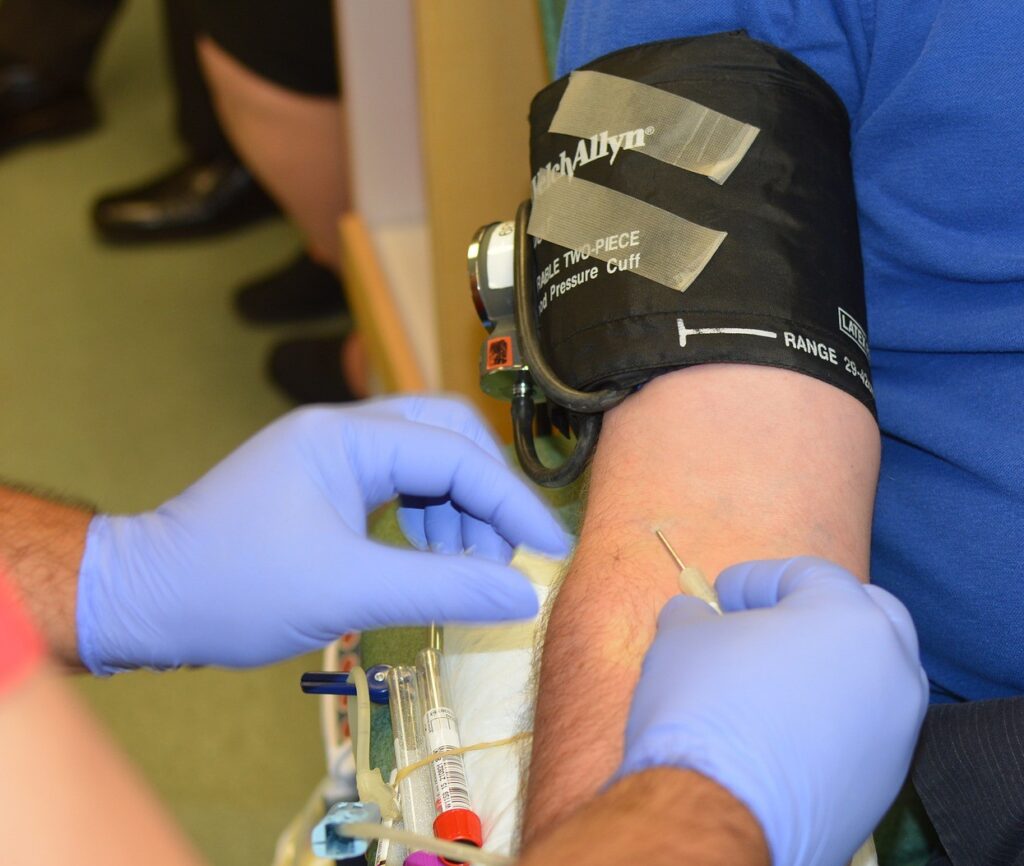
At the blood drive they have ask people to donate something and it is not money but blood!

After blood is donated it is checked for type and just in general to make sure the blood is from a healthy person. Afterwards it heads to a blood bank where it is stored until it is needed. Hospitals keep blood handy in case they need it.

People can lose blood due to a surgery, accident, childbirth etc thus hospitals are prepared to give a blood transfusion. In which they use blood that was donated to help the person that lost blood and saves their lives.

What else is blood used for?

Blood is also used to check for diseases or sickness. When blood is drawn, it goes to a laboratory where the blood is analyzed. The people in the lab then study the whole blood or analyze the parts that make up the blood. They can take a look at the red or white blood cells or plasma. This can tell them what the blood makeup is, and if the person is fighting a disease. Depending what they are looking for they will look at different parts of the blood. Everyone’s blood tells a story!

Blood is also used to see if one is a carrier for a disease or even to check for hereditary genes.

Blood can determine paternity and famliy tree as well.

Blood is an important part in out body which tells a lot of secrets if we know how to listen and study it!

I want to donate blood!

Want to save a Life?


You can! Donating blood is a gift to people in desperate need. Yes, you can seriously save a life with your blood! And your donation can save up to 3 lives!

Your body has about 10-12 pints of blood. When you donate they will take about 1 pint.

What you need to donate blood:

  1. You must be 17 and older in most states ( may have a weight restriction too)
  2. Healthy and fit
  3. Have not donated blood the last 56 days

The Process of Donating Blood:

  1. Eat iron rich foods

2. Go down to a donation center

3.They will ask for ID- to verify age

4. They will take you to a room or a chair to begin the donation- it takes about 8- 10 minutes

5. You are done! Many times there will be refreshments for those who have donated

6. The blood is sent to a lab for testing

7. Once approved, the blood will either go to a blood bank where it will be kept frozen until needed or it will go right away to those in need.


Thank you for your donation!


How I want my Phlebotomist to behave

How you can make a difference as a phlebotomist:

A Caring phlebotomist:

I recently visited my doctor and needed to take some blood tests. I do not think there are many people out there that enjoy having their blood drawn! You can definitely say that I am one of those that most certainly do not enjoy it.
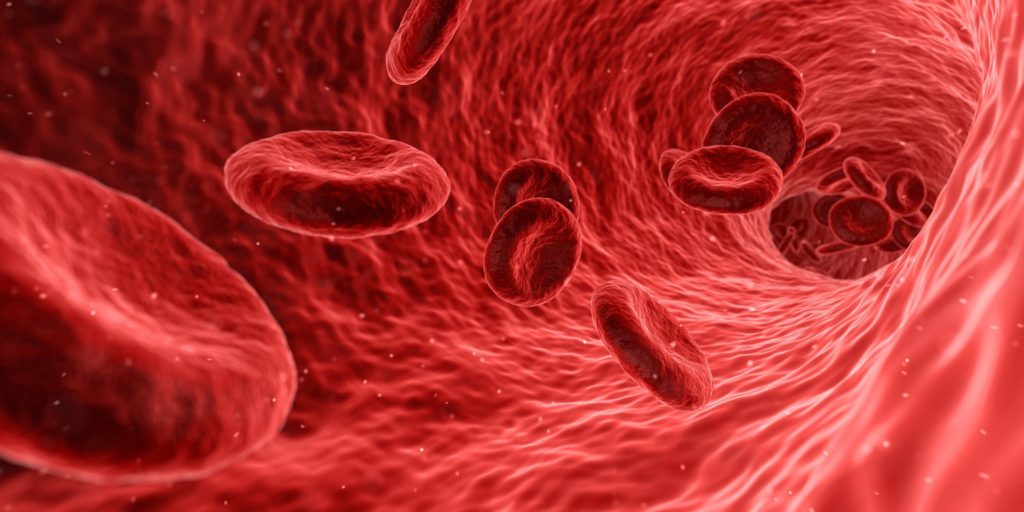
I was sitting in the waiting room and waiting for my name to be called when a young obviously pregnant woman sat down next to me. She seemed nervous and apprehensive. She did not stop fidgeting and at one point she turned to me and said;” Have you ever had a blood test, it is my first pregnancy and I am nervous?” I replied in the affirmative and told her it is not that bad. Seeing how nervous she was I wasn’t ready to say that I actually hate taking them but you got to do what you got to do!

This woman was called in right before me and although there was a curtain for privacy between the room and the corridor where I was waiting, I heard the woman sigh. The phlebotomist seemed oblivious to the woman’s fear and just told her to roll her sleeves up and comply. The woman must have been taking her time for the nurse was getting impatient as she repeated her request. It seemed that as soon as the phlebotomist was ready to draw the blood another phlebotomist walked into the room and exclaimed loudly:” Oh my, dear do not be afraid, you will do fine, many people are nervous, here let me hold your hand.” As soon as she said that you were able to hear a whoosh of air escaping the woman’s mouth in relief!

Wow! the second phlebotomist really got her patient! She understood and acknowledged the woman’s fear and did not make light of it at all.

Phlebotomist have the power to make things easier for their patients and can easily appease them. Yup I think we need many more understanding and caring phlebotomist!

Is blood different in the summer than during the winter time?

Blood looks different every season!

Did you know that a phlebotomist  can tell which season it is by taking a look at your blood?

During the winter time your blood is fuller, that is because it contains more antibodies than during the summer time.

Blood pressure too, is shown to vary according to the seasons. During the winter time blood pressure is usually higher than during the summer time.

Interestingly, blood flows quicker during the summer time so it can make it easier to take some blood summertime.

So it seems that seasons make a difference regarding the blood composition and quality.

However, regardless of the season when you drink, sleep well and are relaxed it helps phlebotomist draw blood faster and smoother. At times, mimicking the summer heat by applying a heating pad on the area before taking blood can help too.